
The Major Darts Tournaments Explained
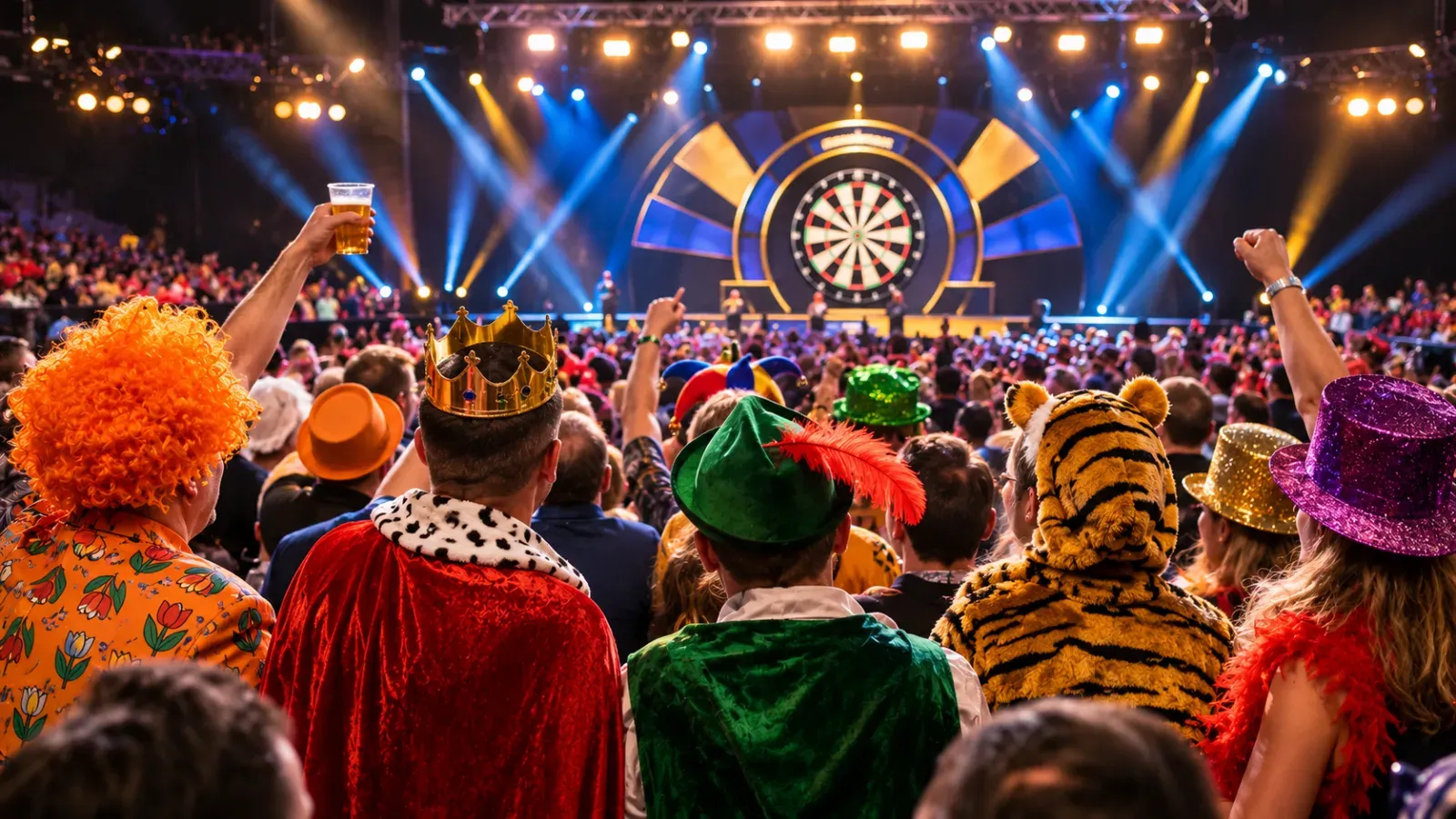
Professional darts has grown into a major sport with packed halls, fancy dress crowds and big television audiences. Throughout the year, players compete in a series of major tournaments. This page explains the biggest events and what makes each one special.
World Championship
The PDC World Darts Championship is the biggest event in the sport. It is played over the Christmas and New Year period at Alexandra Palace in London, known to fans as Ally Pally. Matches are played in sets, and the atmosphere, with fans in fancy dress, is famous worldwide. In 2025 Luke Littler became the youngest world champion in history.
There is also a separate world championship organised by the World Darts Federation, which continues the tradition of the former BDO championship.
Premier League
The Premier League is a weekly competition from early in the year until late spring. A small group of top players travels to a different city each week, mostly on Thursday nights. The season ends with a play-off night in London.
World Matchplay
The World Matchplay is held every summer at the Winter Gardens in Blackpool. It is played in legs rather than sets, with matches that require winning by two clear legs. Many players consider it the second most prestigious title after the World Championship.
Other major events
- World Grand Prix: famous for its double-in format: players must start each leg by hitting a double.
- UK Open: an open draw that includes amateur qualifiers, often called the FA Cup of darts.
- Grand Slam of Darts: combines group stages and knockout rounds and has featured players from different organisations.
- Players Championship Finals: for the best performers on the Players Championship floor events.
Dutch success
The Netherlands has a strong darts tradition. Raymond van Barneveld won five world titles and helped make darts hugely popular in the Netherlands. Michael van Gerwen has won the PDC World Championship three times and dominated the sport for years.
Watching live
Tickets for major events sell out quickly. Fancy dress is part of the fun at many tournaments, but check the venue rules. To understand what you are watching, read our pages on darts rules and scoring and checkouts.
The tour calendar in practice
Beyond the televised majors, professional players compete in a large number of floor events throughout the year. Players Championship events and the European Tour are where tour card holders earn ranking money and qualify for bigger stages. These events are often played over a weekend, with hundreds of matches in a single day. For fans they are less visible, but for players they are the backbone of the season.
How rankings work
The PDC Order of Merit ranks players by the prize money they have won over a rolling two-year period. A high ranking brings seeding in major events and automatic qualification for tournaments such as the World Matchplay. Separate rankings based on floor events decide who qualifies for the Players Championship Finals. The background to the split between the main organisations is explained in PDC vs WDF and BDO: the split.
Team and nation events
The World Cup of Darts is played in pairs, with two players representing each country. It brings a different kind of tension, as players compete for their nation rather than for themselves. Doubles matches, where partners alternate throws, add a tactical layer not seen in singles events.
The Premier League format
The Premier League stands out because the same group of players meets every week in a different city. Each night is a mini-tournament, and points are awarded based on how far players progress. After the regular season, the top four meet in the play-offs. More detail is in Premier League darts explained.
What makes each major different
- World Championship: played in sets, long matches and the biggest stage of all.
- World Matchplay: legs format and a summer atmosphere by the sea.
- World Grand Prix: the double-in rule changes scoring patterns completely.
- UK Open: open draw, so amateurs can meet top professionals.
- Grand Slam: group stage followed by knockout rounds.
These differences mean that players who excel in one format do not always dominate another. Some thrive in long set-play matches, while others prefer short, sharp leg formats.
The history behind the stage
The modern tournament scene grew from pub leagues and county competitions into a professional circuit with global television coverage. The World Championship at Alexandra Palace has become the sport's showpiece, as described in the history of the PDC World Darts Championship. Players who have shaped that history are profiled in the greatest darts legends of all time.
Following the action
Most major tournaments are broadcast on television and streaming services, with live scores available online. If you want to understand what you are watching, start with darts rules and scoring and the finishing routes in the darts checkouts guide. Knowing the rules makes every match more exciting.
Visiting a tournament
Attending a major event in person is something every darts fan should try once. Tickets for the biggest events sell out quickly, so check sale dates well in advance. Fancy dress is common and part of the fun, and the crowd singing between legs creates an atmosphere unlike any other sport.
It is an experience worth planning for.
Frequently asked questions
Where is the PDC World Darts Championship played?
At Alexandra Palace in London, over the Christmas and New Year period.
What is special about the World Grand Prix?
Players must start each leg by hitting a double, known as double-in.
How many world titles did Raymond van Barneveld win?
Five world titles.